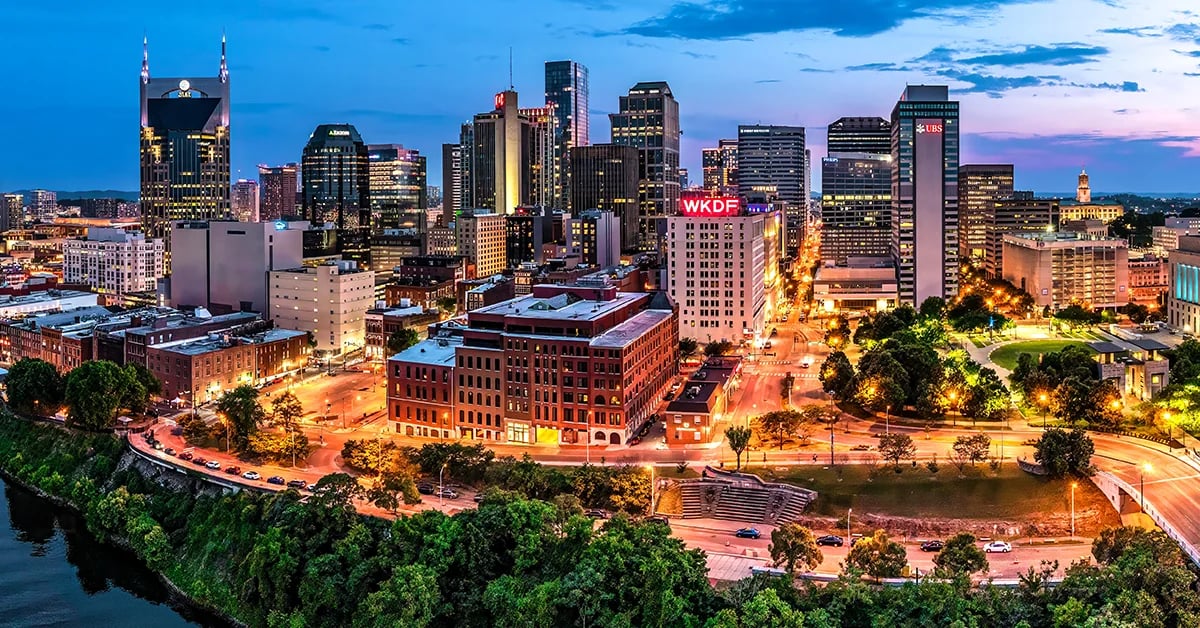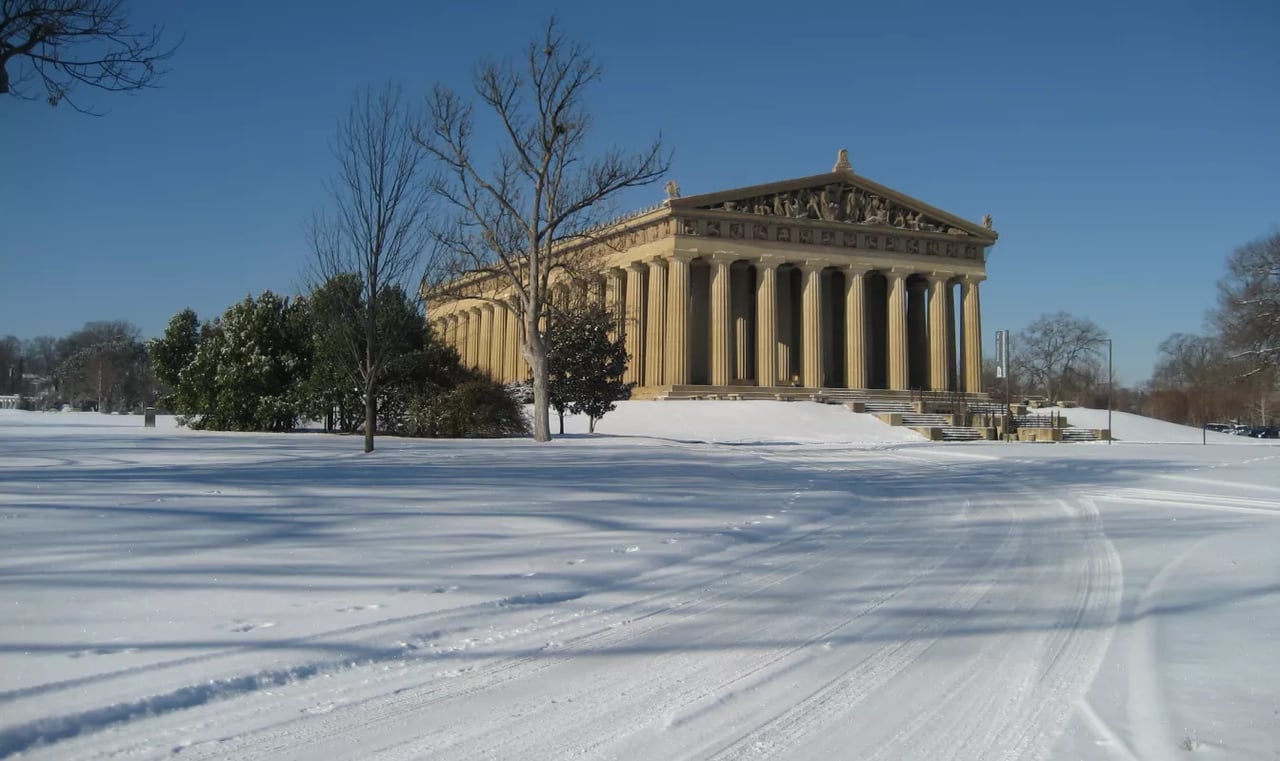
There are moments in our lives — and in the story of a city — that test the very fabric of who we are. The ice storm that swept through Nashville and Middle Tennessee in late January 2026 was one of those moments: a rare, once-in-a-generation weather event that left trees bowed under glassy coats, roads impassable, and tens of thousands without power.
But how a city responds — not just to the storm itself, but to its aftermath — tells us who we are at our core. And in this moment, Nashville didn’t just endure: it came together.
When the Cold Came In, Neighbors Came Out
By the time the ice had passed, well over 200,000 customers were without electricity, many for days on end as crews worked tirelessly to restore service. In a place where winter weather of this magnitude is rare, the cold wasn’t just uncomfortable — it was dangerous. Yet as temperatures plunged, something unmistakably Southern kicked in: hospitality that goes beyond polite — it became protective, generous, human.
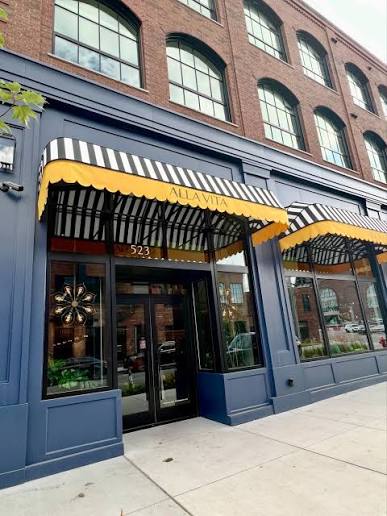
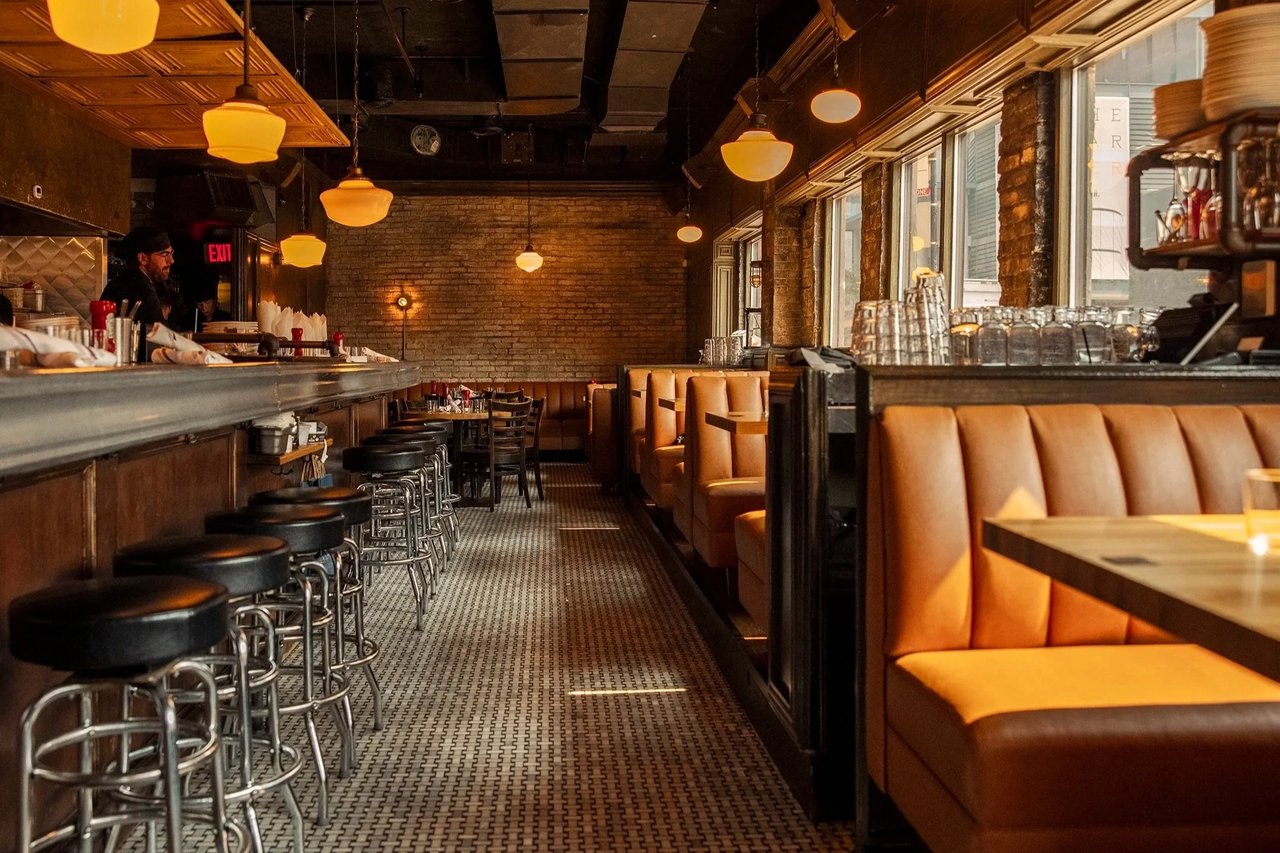
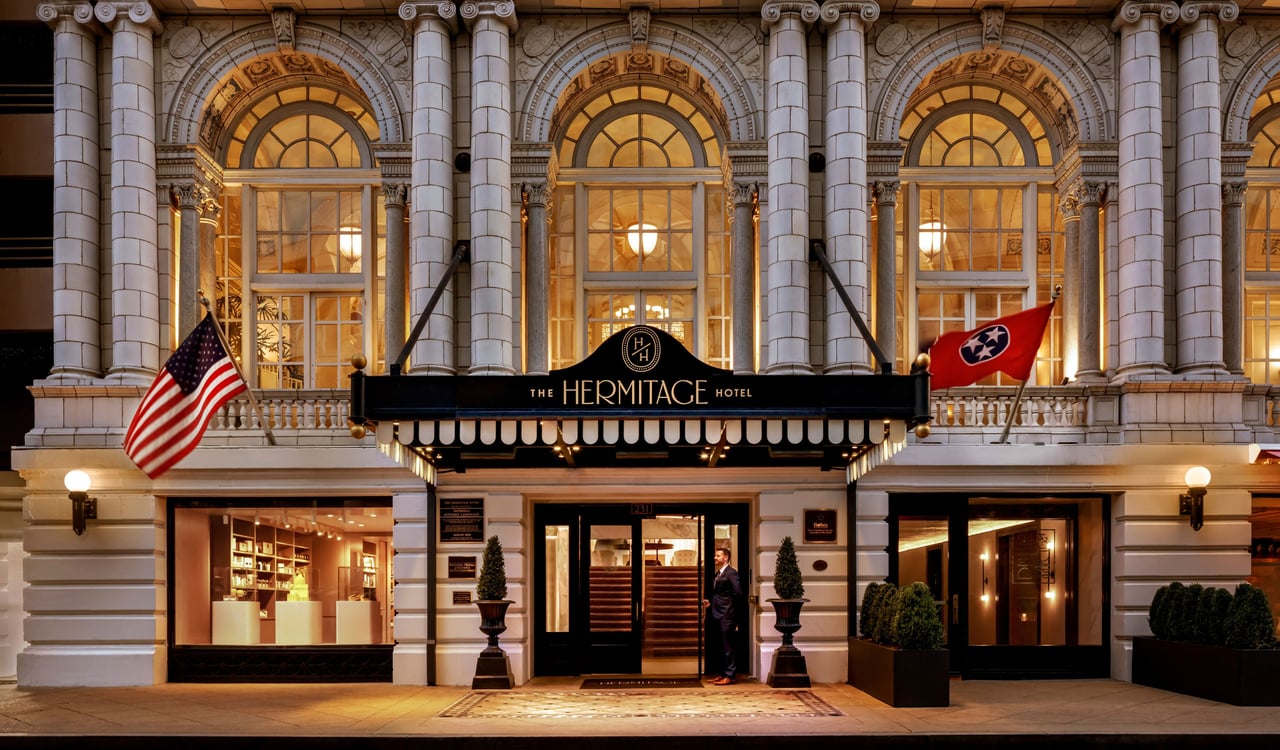
Local restaurants and businesses didn’t just survive this storm — they served their community. Places like Edley’s Bar-B-Que opened their doors and offered free meals to those affected, fueling volunteers, linemen, and neighbors alike. Hotels partnered with city leaders to provide discounted or donated rooms for residents needing warmth and shelter, ensuring that nobody had to choose between staying warm and staying safe.
And in quieter, perhaps even more profound ways, Nashville showed its heart: from heartfelt acts of kindness between neighbors to the everyday conversations that make our city unique.
Carlos Whittaker — a local resident — checked on his elderly neighbor Grey, a 98-year-old man sitting in his car trying to charge his phone. What followed was a simple moment — oatmeal shared and stories swapped — that captured so much of what community really means: presence, compassion, connection.
A Network of Support, Big and Small
Amid closures and hazards, warming centers and shelters opened their doors, becoming havens for those who needed warmth and company. Food distribution efforts, led by community organizations working in tandem with city emergency management, ensured families wouldn’t go hungry even when pantries struggled with weather-impacted schedules.
Volunteers didn’t wait to be asked — they acted. Neighbors shoveled driveways, cleared ice-glazed sidewalks, shared fuel for generators, and checked on those who might otherwise be forgotten. In an age of texts and alerts, it was simple human care — checking in, showing up, offering a cup of coffee or a spare blanket — that made the difference between endurance and despair.
What It Means to Live in the South
It’s easy to talk about Southern hospitality as a myth — a stereotype printed on mugs or stitched on pillows. What the 2026 ice storm reminded us is that Nashville’s warmth isn’t just cultural brand-messaging — it’s a lived reality. It’s neighbors feeding neighbors. It’s strangers opening doors. It’s communities insisting that no one gets left out in the cold.
This storm — possibly the worst in decades — tested infrastructure and nerves alike. But what it truly revealed was that Nashville’s strength isn’t measured in megawatts or snow totals. It’s measured in kindness.
And when the ice finally melts and the lights come back on, what remains — the laughter shared over hot meals, the stories traded over shovels and heaters — will be the true testament to this moment.