If you are thinking about moving to Nashville, chances are your search started with a few simple questions.
Where should I live in Nashville?
How much does it cost to live in Nashville?
What should I know before moving to Nashville?
They are simple questions, but the answers are not quite as simple.
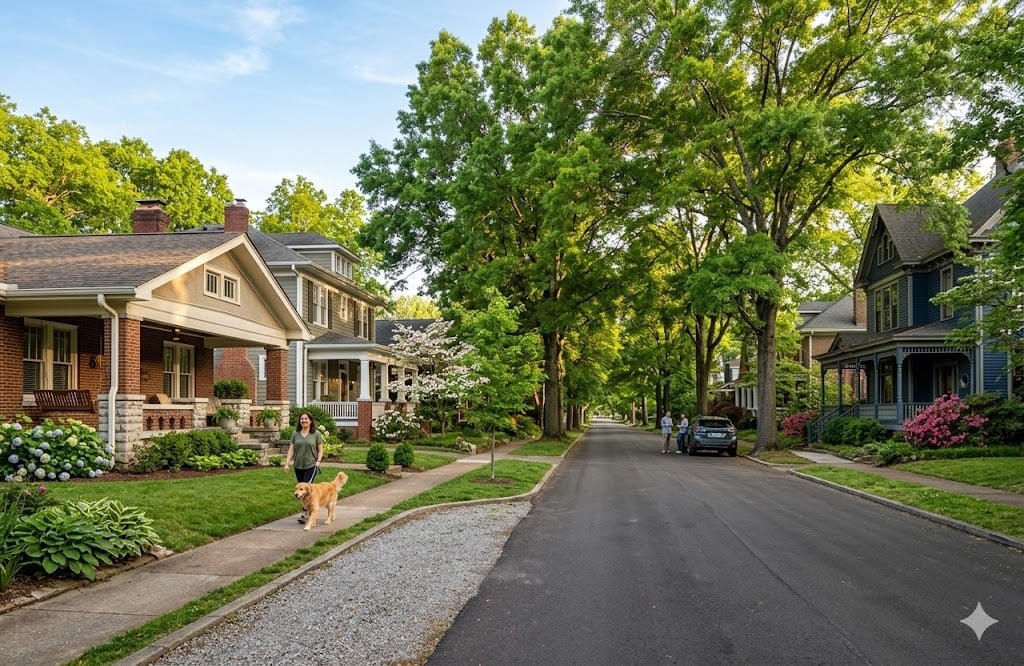
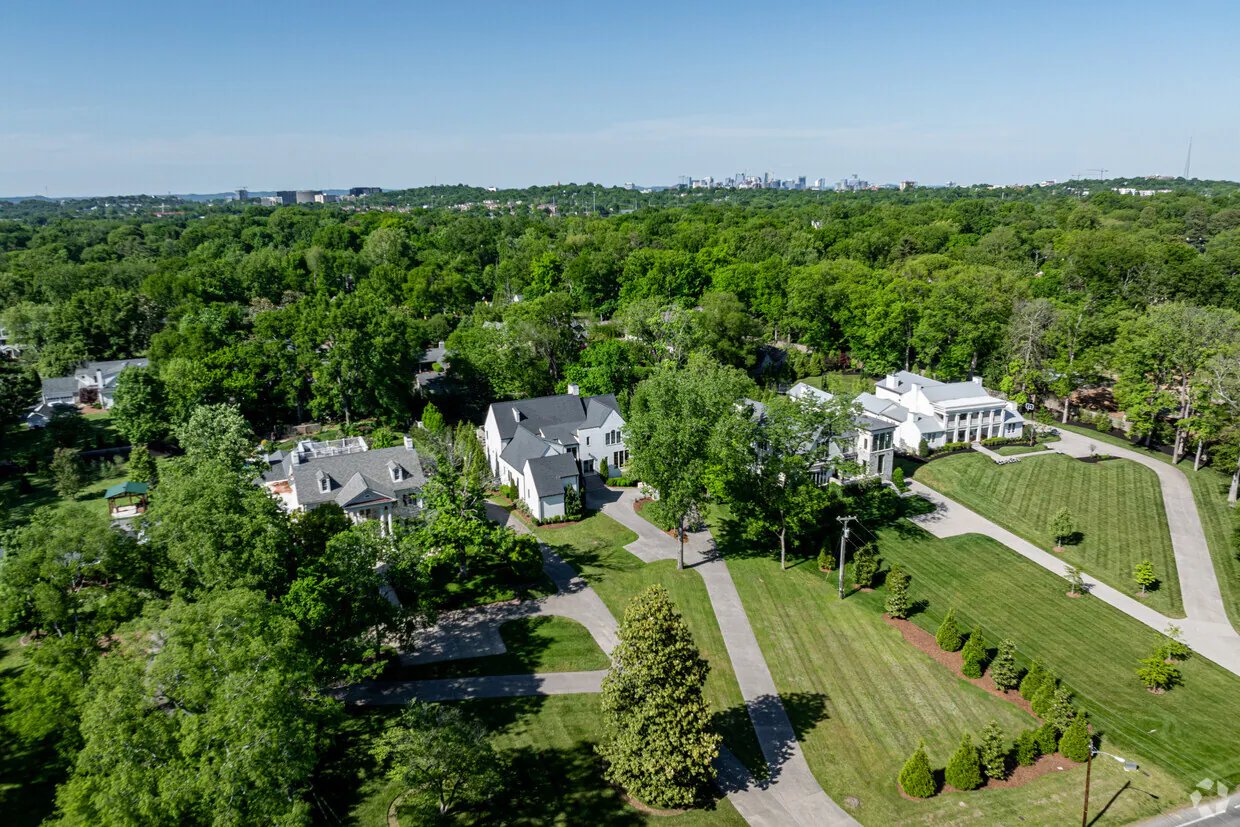
Nashville is a neighborhood-driven city. The experience of living in 12 South can feel completely different from living in East Nashville. Green Hills offers something different from Downtown. And moving 20 miles south to Franklin or another community in Williamson County changes the equation again.
For buyers relocating to Middle Tennessee, the goal should not simply be finding a house. It should be understanding where your budget, lifestyle and priorities intersect.
Here are three of the most important questions to answer before making the move.
1. What Are the Best Neighborhoods to Live in Nashville?
There is no single "best" neighborhood in Nashville.
The better question is: Which Nashville neighborhood is best for the way you want to live?
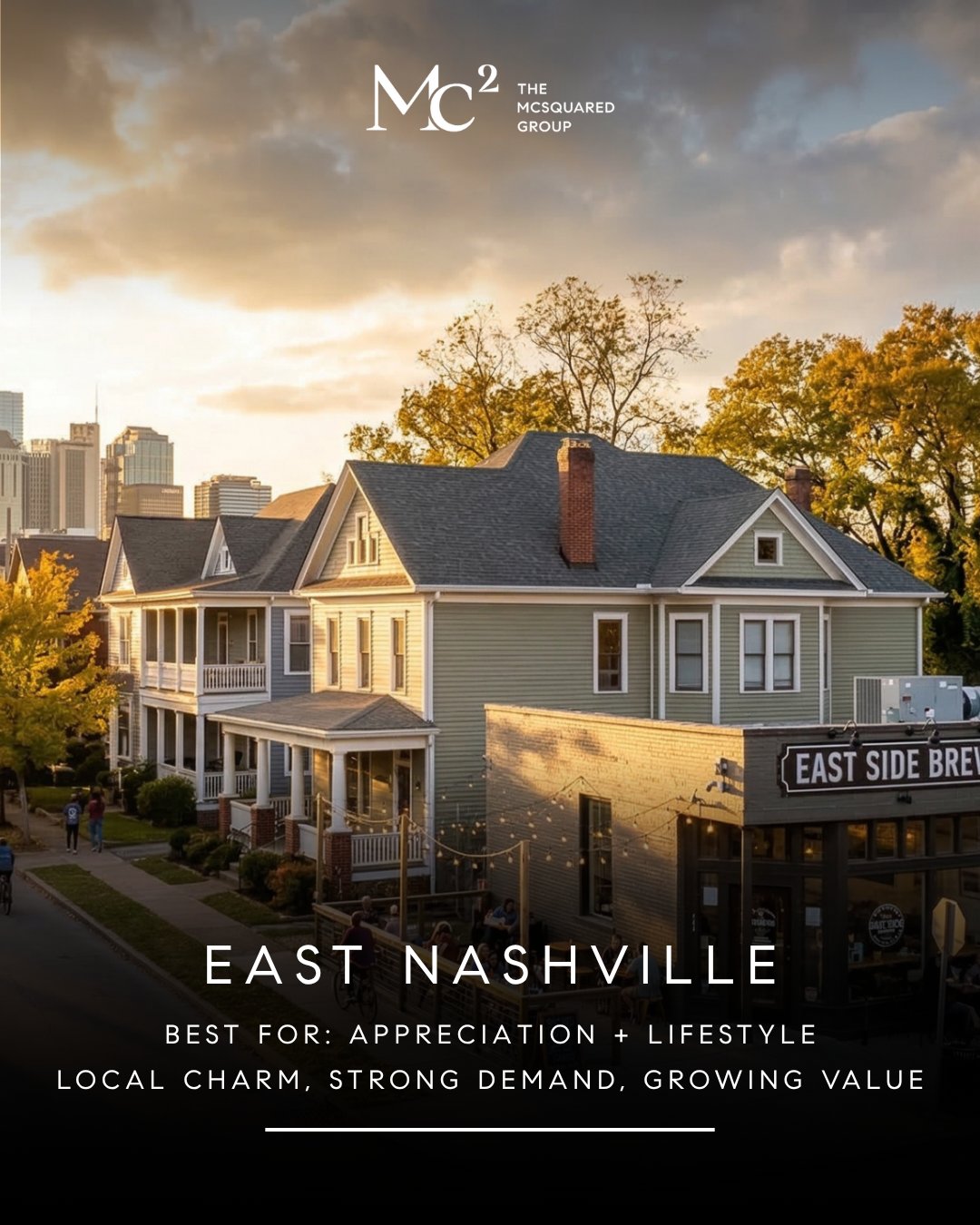
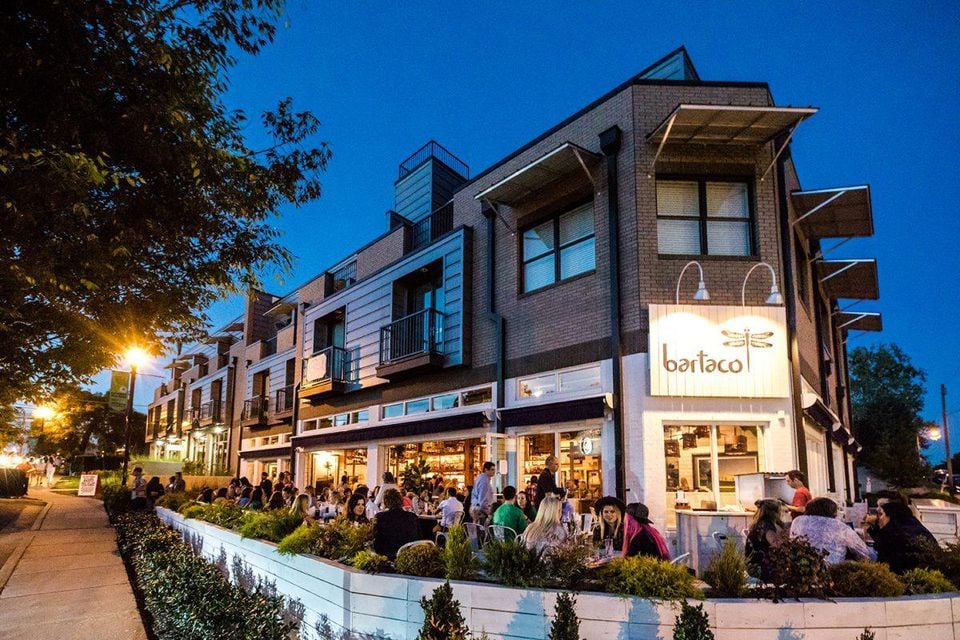
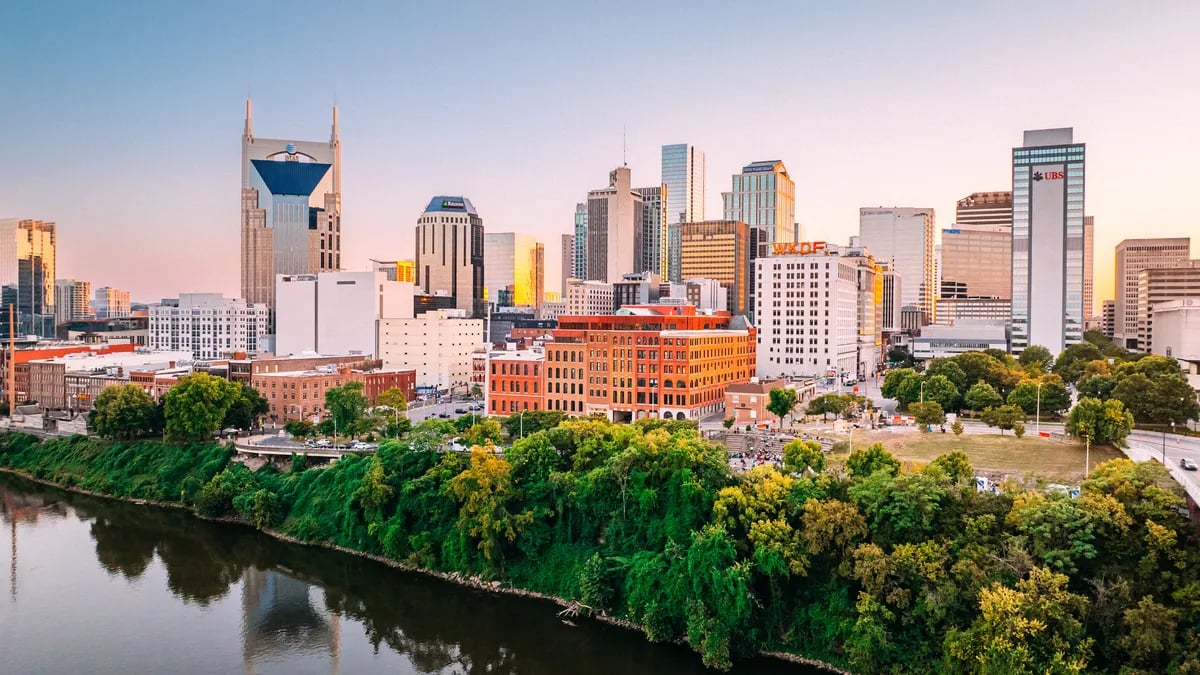
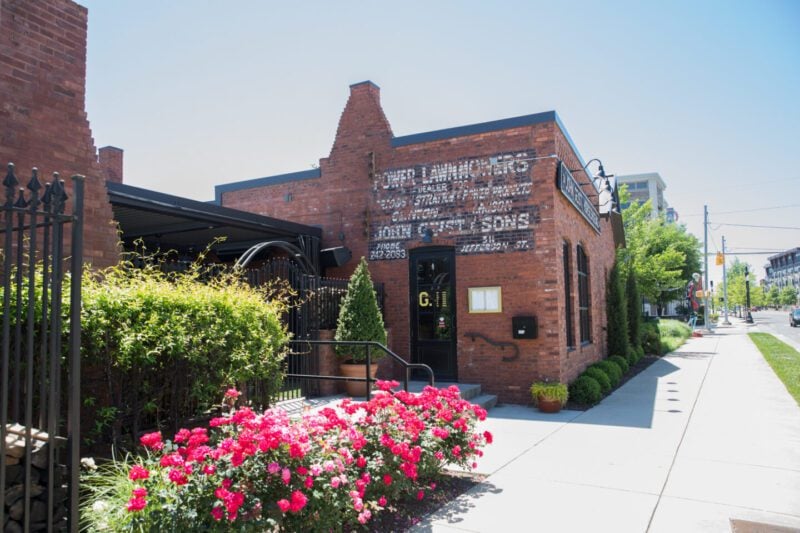
If walkability, restaurants and being close to the energy of the city are priorities, neighborhoods like 12 South, The Gulch, Germantown and parts of East Nashville may be worth exploring.
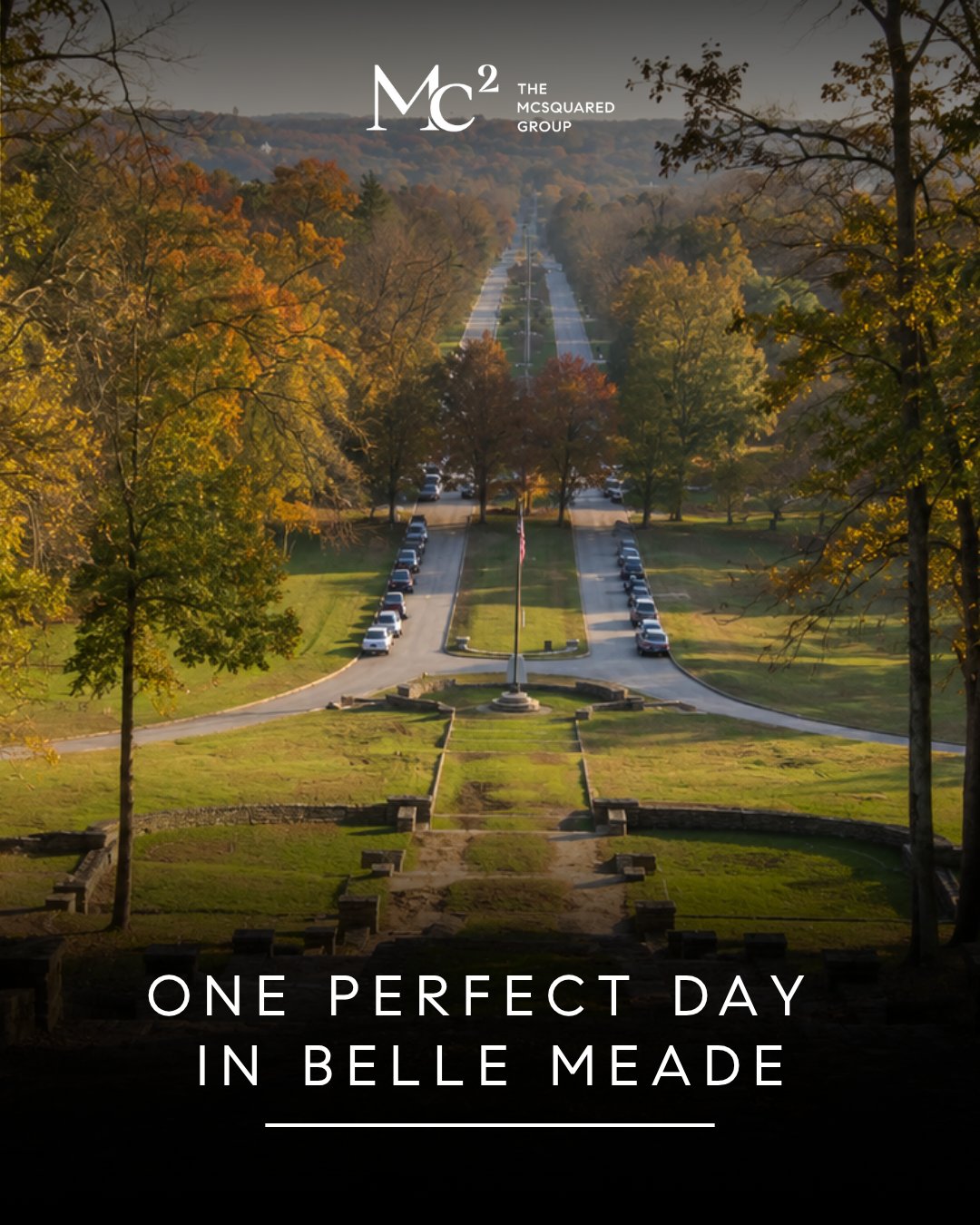
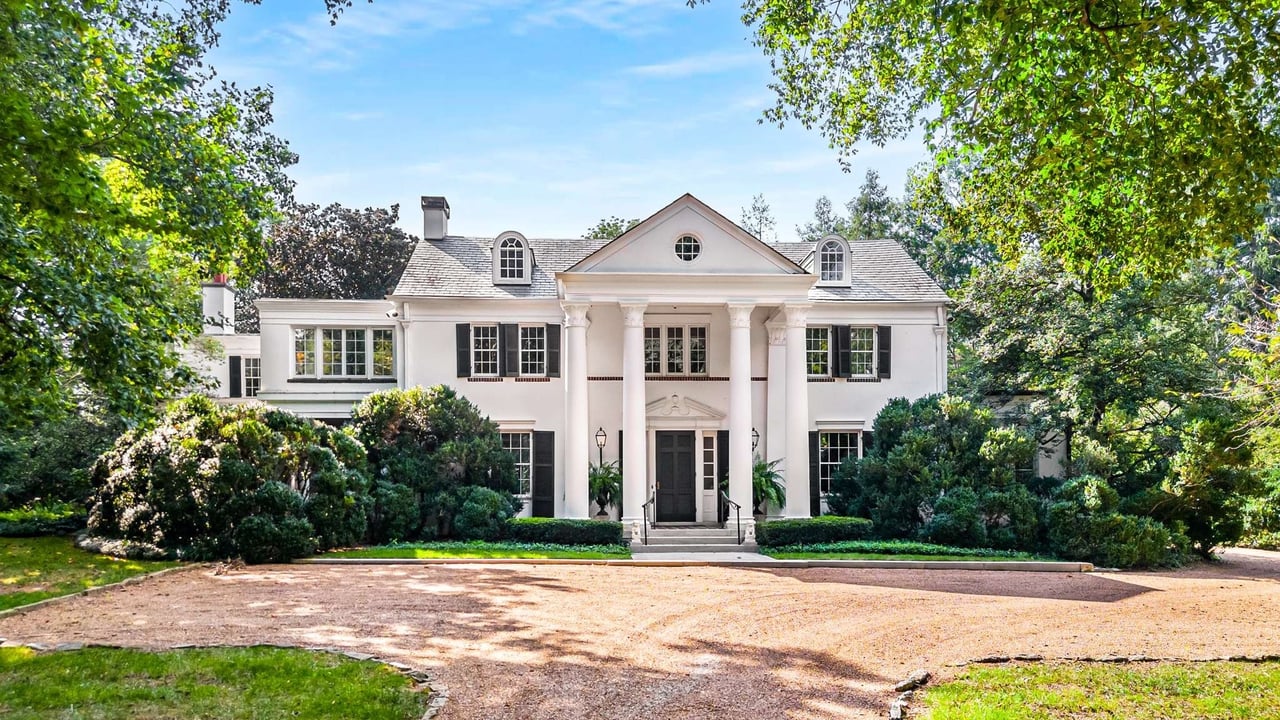
If you want an established residential neighborhood while remaining close to Nashville's major employment, shopping and dining areas, Green Hills, Belmont-Hillsboro, Oak Hill and Belle Meade offer very different versions of in-town living.
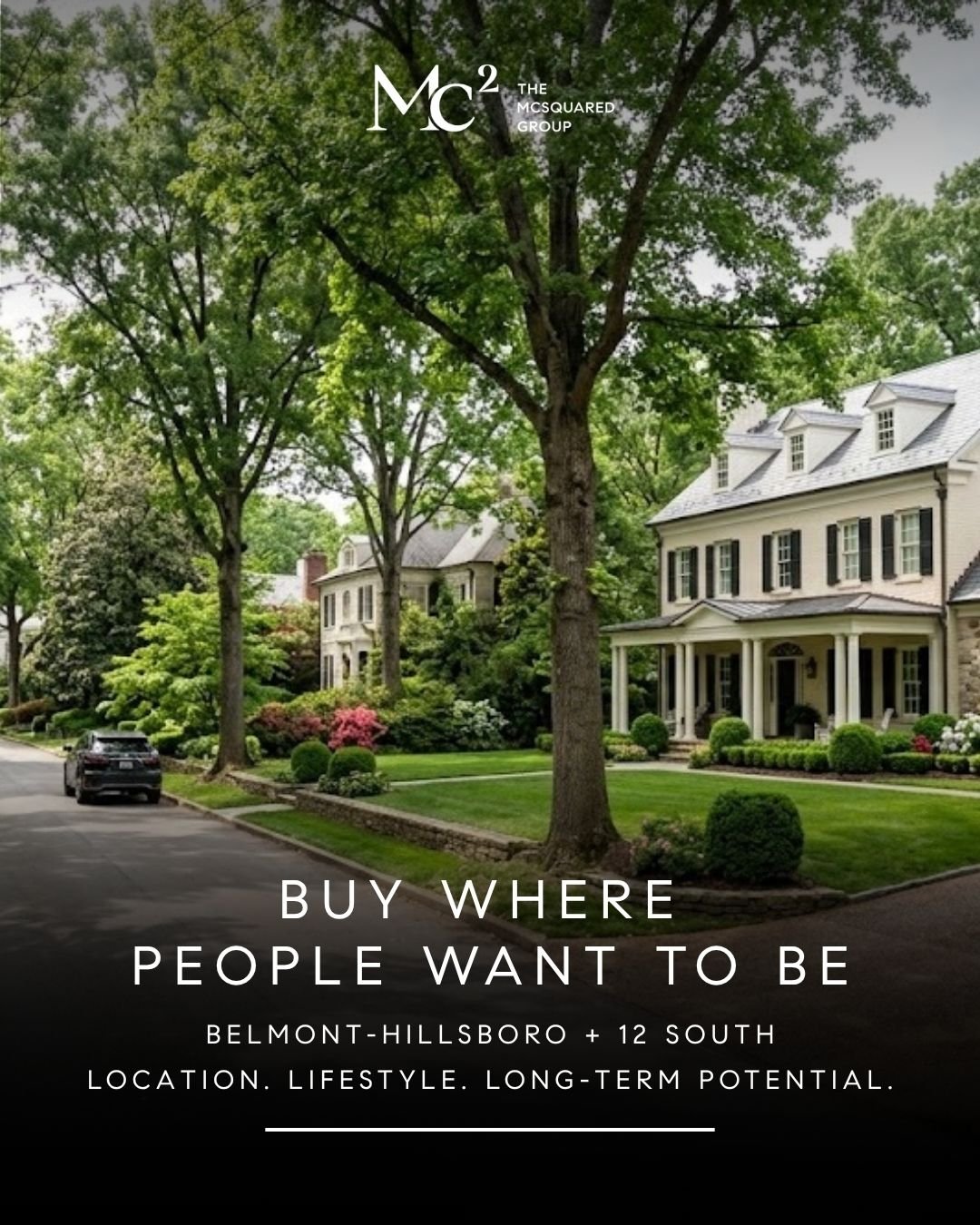
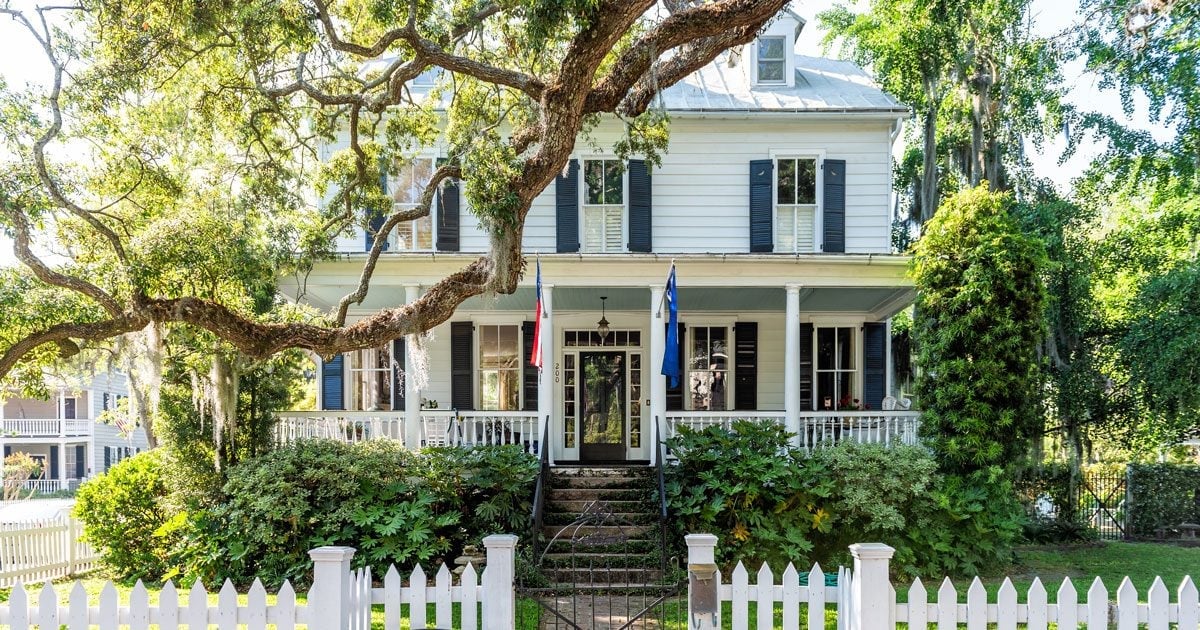
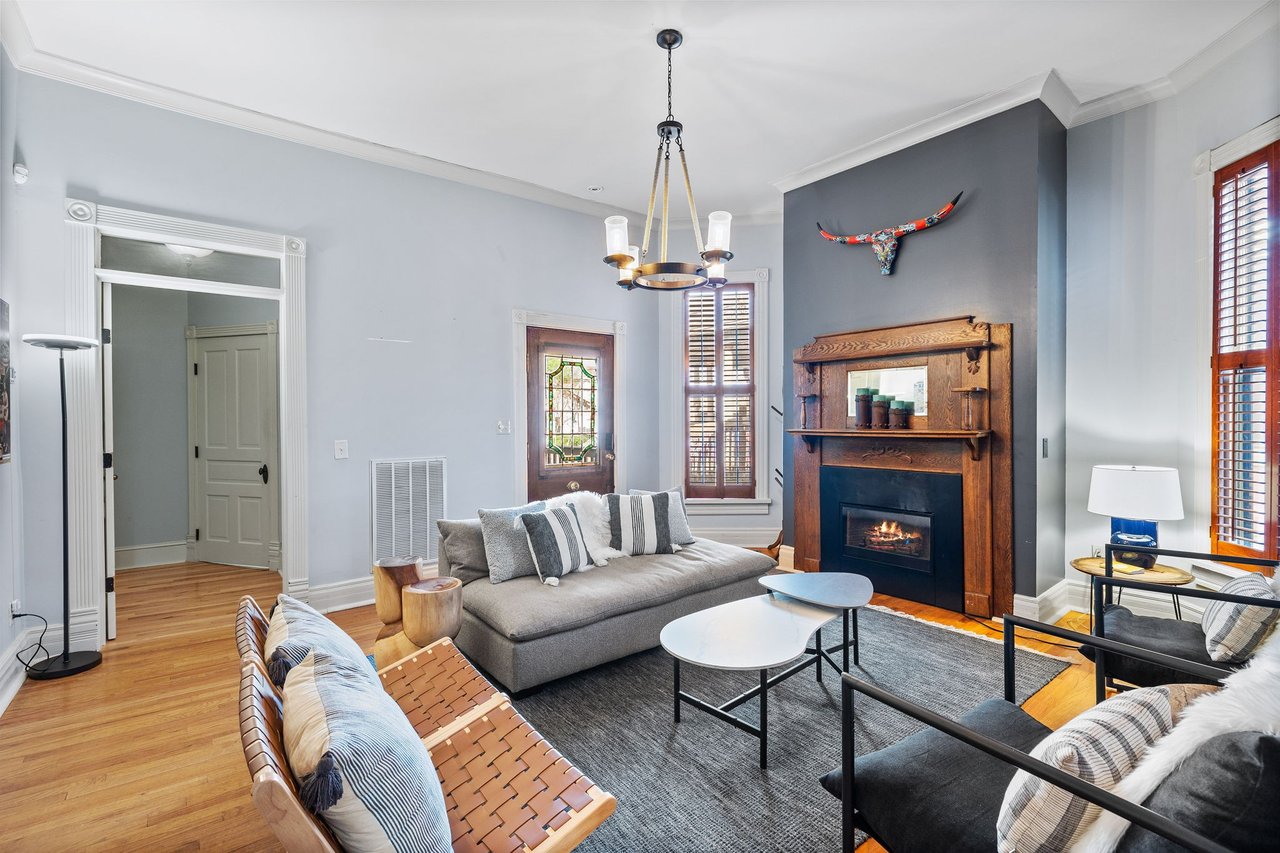
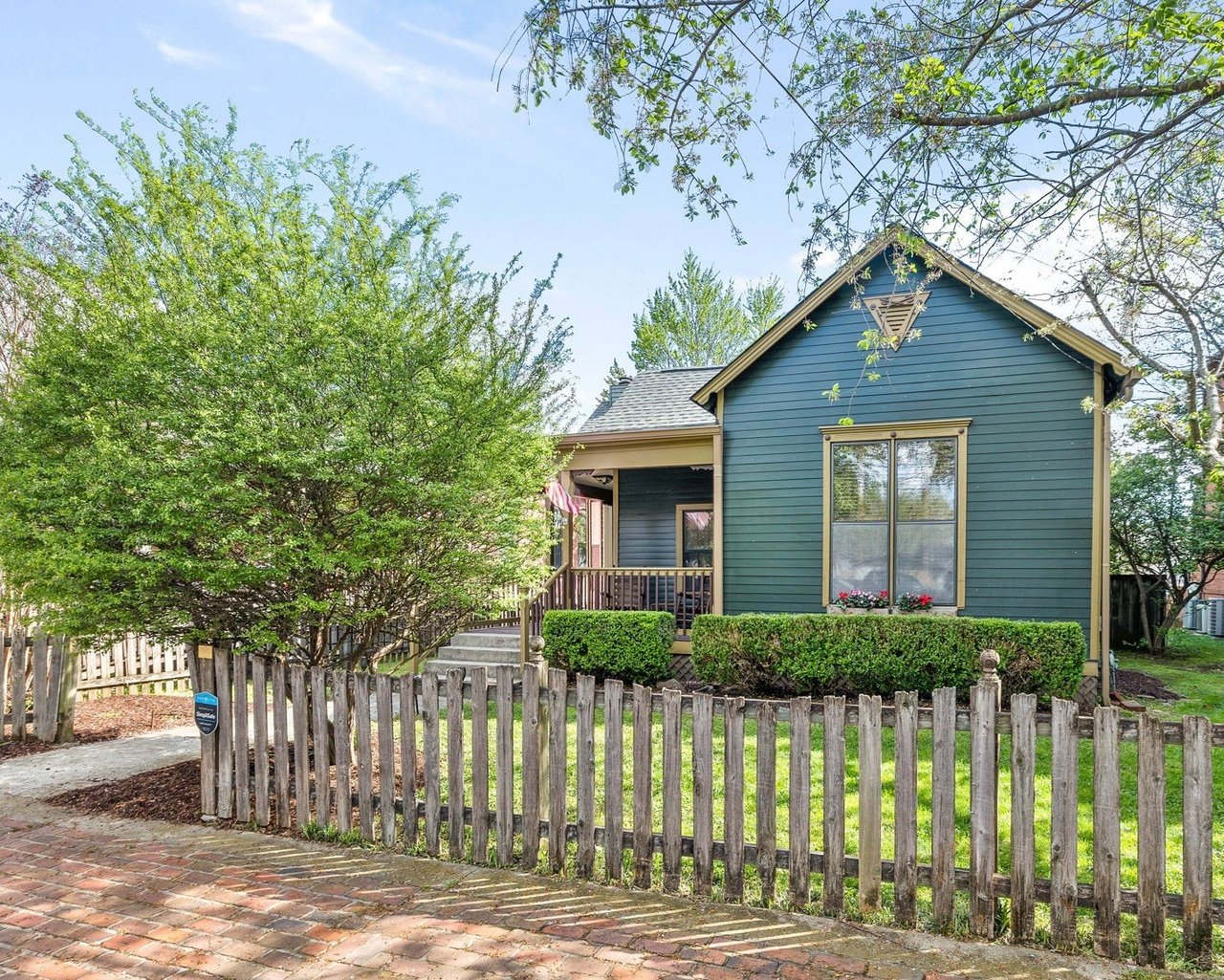
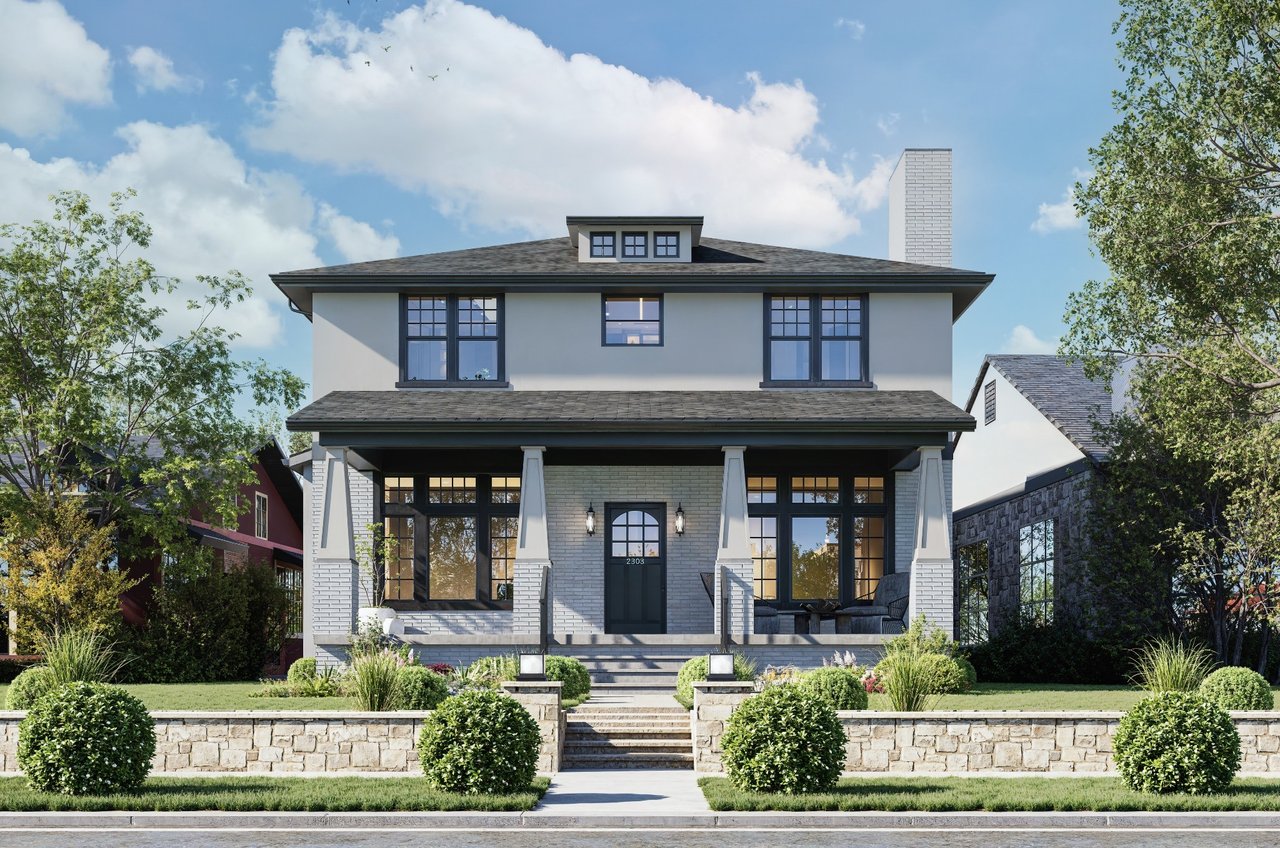
Belmont-Hillsboro and 12 South are particularly interesting for buyers who want character and location. Their proximity to Vanderbilt, Belmont, Green Hills, Downtown and major healthcare and employment centers contributes to their continued appeal. Historic homes, bungalows and newer construction also give buyers several ways to enter these neighborhoods.
Then there is Franklin and Williamson County.
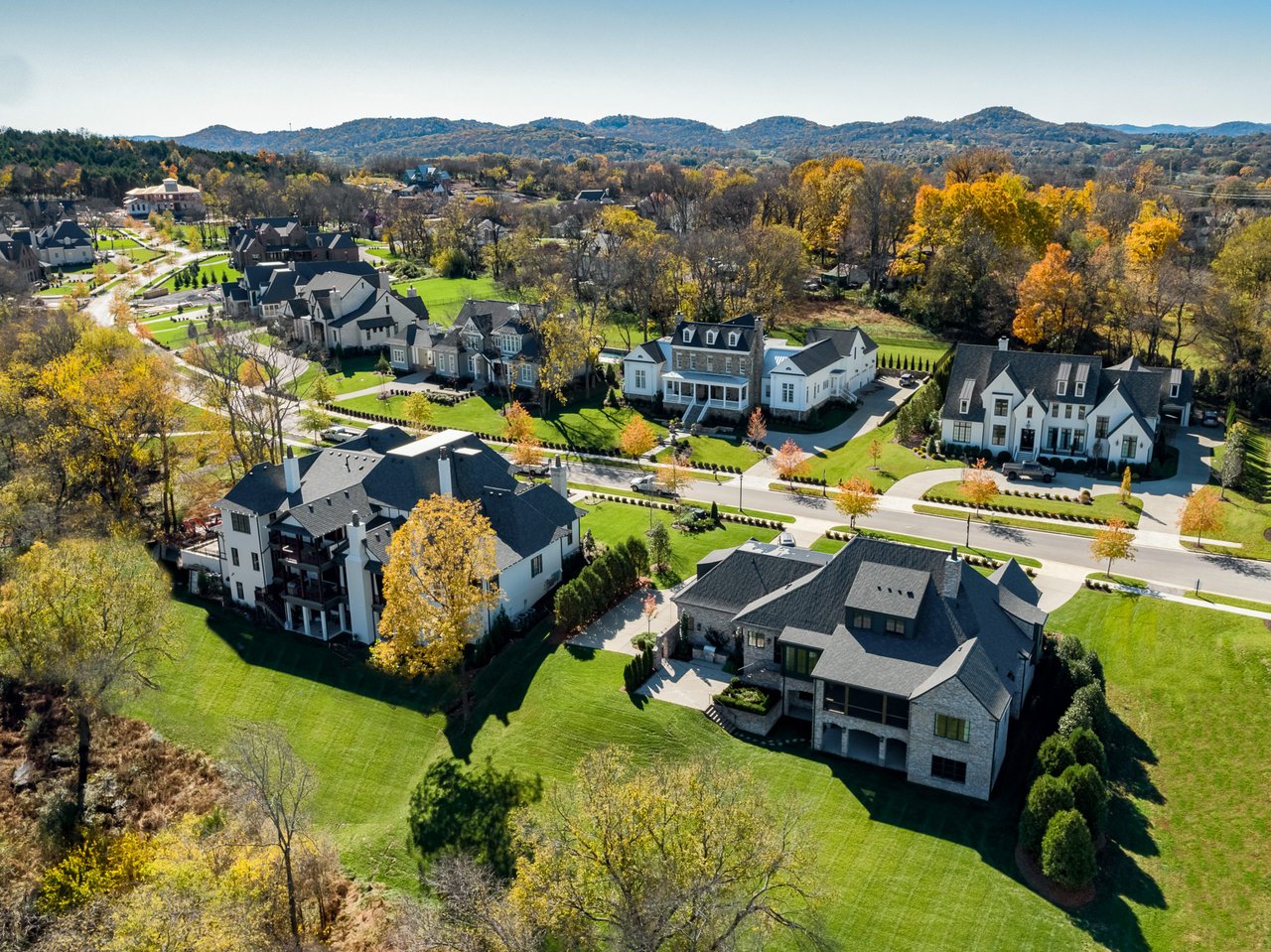
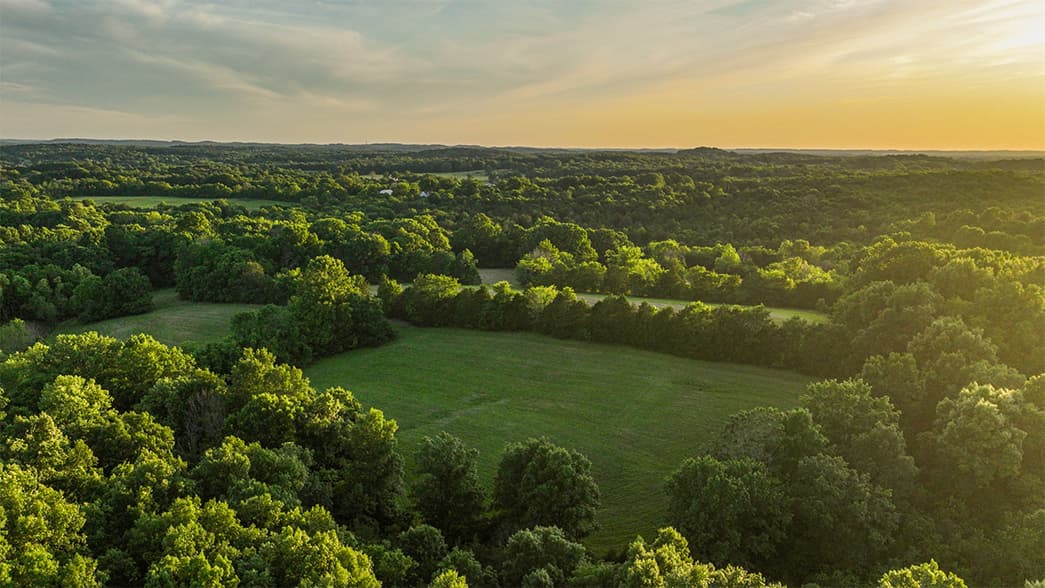
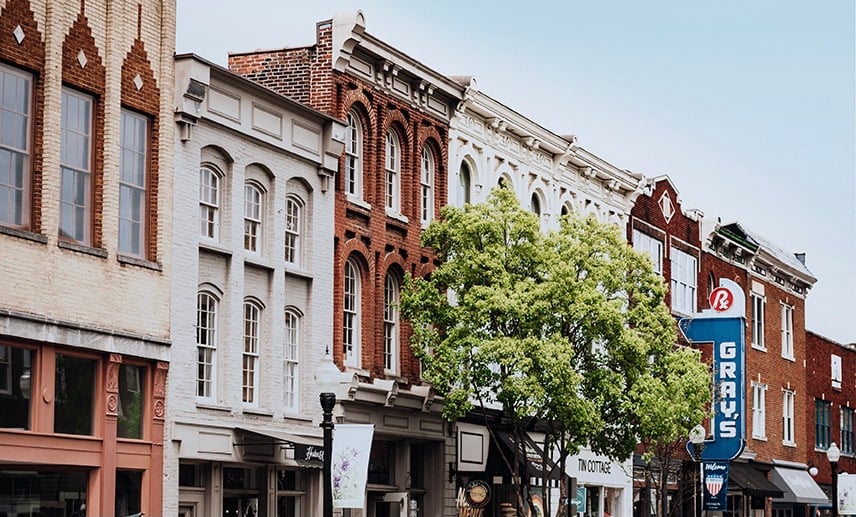
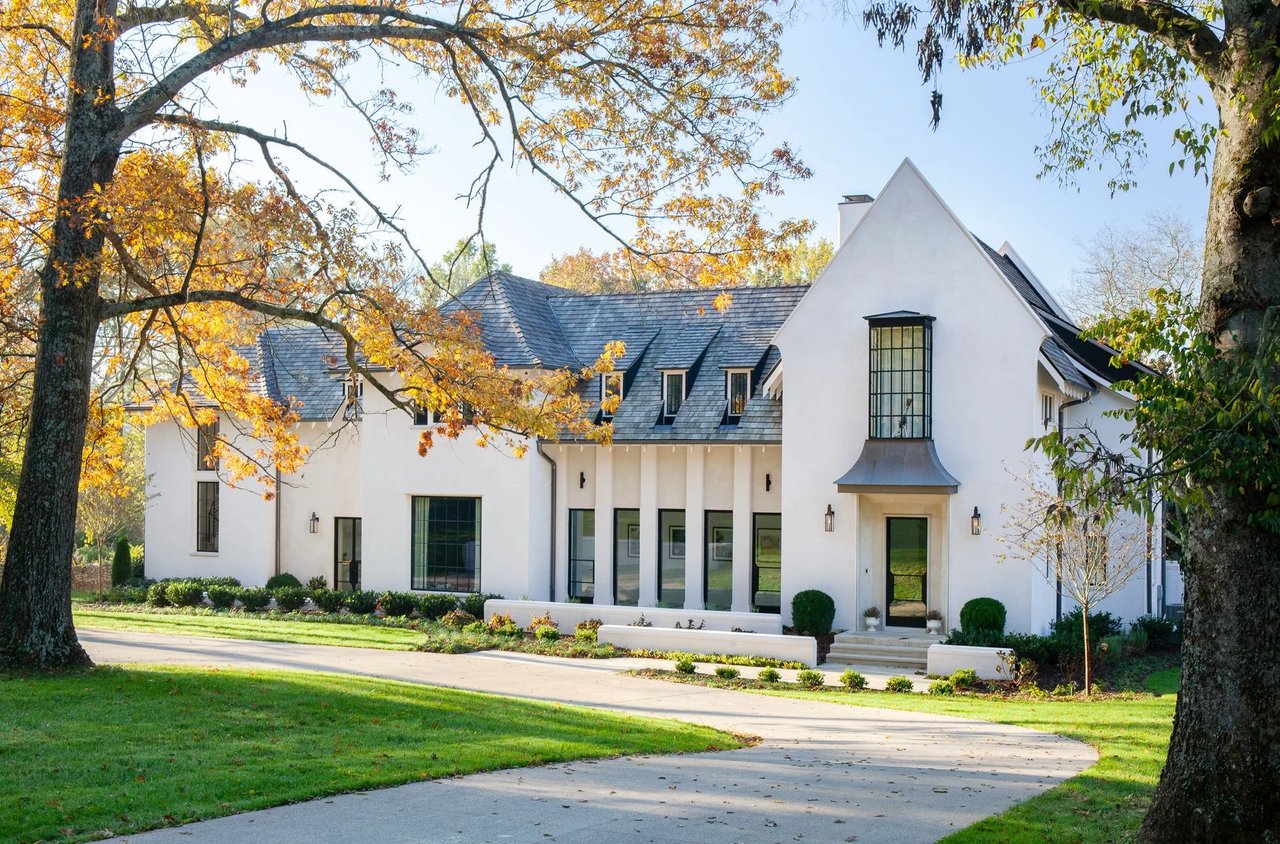
For buyers who want more space while remaining connected to Nashville, looking south of the city can open an entirely different set of possibilities. Franklin combines a thriving historic downtown with restaurants, shopping, parks, recreation and established residential communities. Other areas throughout Williamson County offer everything from newer neighborhoods to larger properties and more land.
This is why we encourage relocating buyers not to choose a neighborhood from a list they found online.
Spend time in the areas you are considering. Drive from the neighborhood to the places you will actually go. Have coffee there. Go to dinner. Walk around on a Saturday morning.
You are not just buying a house. You are choosing what your everyday life in Tennessee will look like.
2. How Much Does It Cost to Live in Nashville?
One of the biggest misconceptions about moving to Nashville is that a certain budget will buy roughly the same thing everywhere.
It will not.
Real estate in Greater Nashville can vary considerably from one neighborhood to the next. Location, lot size, age, architecture, new construction, walkability and proximity to Nashville's major destinations can all influence what your money buys.
A buyer looking for a home in Green Hills may encounter a completely different market than a buyer searching in East Nashville.
A budget that buys a renovated historic home or newer build in one neighborhood might translate into a condominium, smaller lot or older property in another.
And once you expand the search into Franklin and Williamson County, the options change again.
That is why buyers relocating to Nashville should start with more than a purchase price.
Ask yourself:
What kind of home do I want?
How much space do I need?
Do I want to walk to restaurants and coffee shops?
How important is proximity to Downtown Nashville?
Would I rather have more land or be closer to the city?
Do I want an established neighborhood or new construction?
Those answers can help determine where your budget will work best.
There is also a larger financial consideration attracting many people to Tennessee: Tennessee does not impose a state individual income tax on wages.
For people relocating from higher-tax states, that can be an important part of the overall financial picture. But housing costs, property taxes, insurance, commuting and everyday expenses still need to be considered when comparing Nashville with another city.
The more useful question is not simply, "Is Nashville affordable?"
It is:
What will my budget buy in the part of Nashville or Middle Tennessee where I actually want to live?
That is a much better place to start.
3. What Should I Know Before Moving to Nashville?
There is the Nashville you experience on a long weekend.
And then there is the Nashville you experience when you live here.
One of the first things relocating buyers should understand is that Nashville is still largely a car-dependent city. While neighborhoods such as 12 South, The Gulch, Germantown and Downtown offer pockets of walkability, where you live can have a significant impact on your daily routine and commute.
Traffic patterns matter.
If you are working in Downtown Nashville, at Vanderbilt, in Cool Springs or from home, your ideal location may be completely different.
The second thing to understand is just how much Nashville extends beyond Broadway.
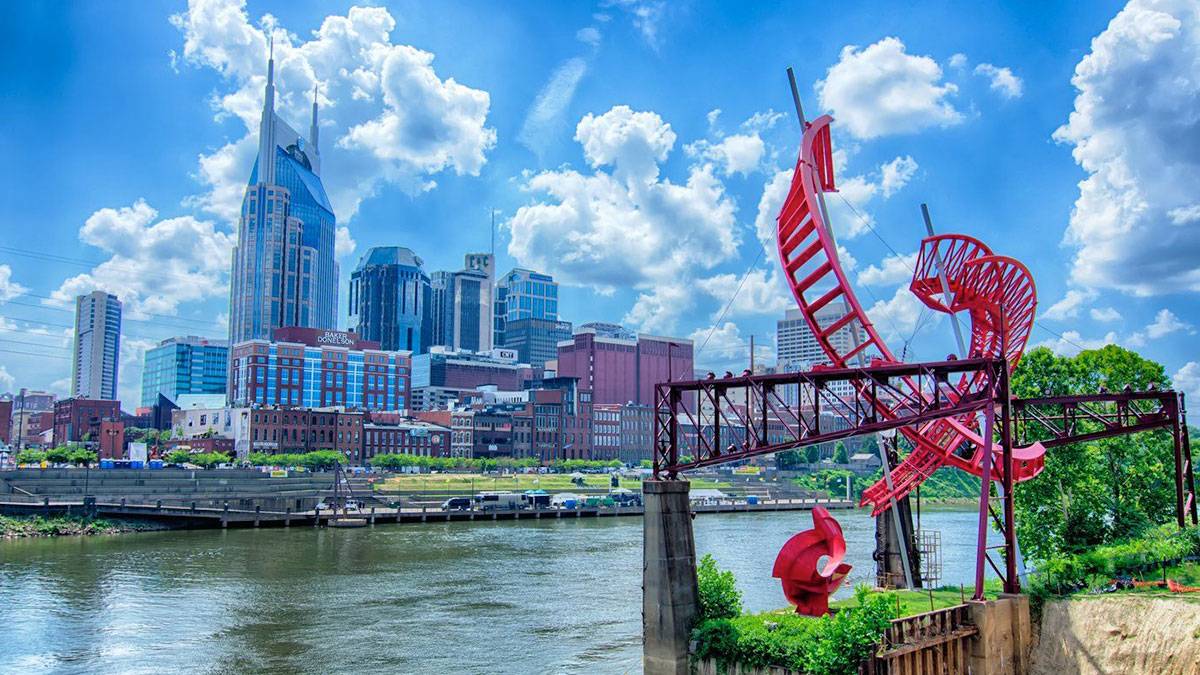
The city has developed a sophisticated restaurant scene, professional sports, live music far beyond Lower Broadway, universities, major healthcare institutions, parks, greenways, neighborhood shopping districts and a growing business community.
And then there is life outside Nashville itself.
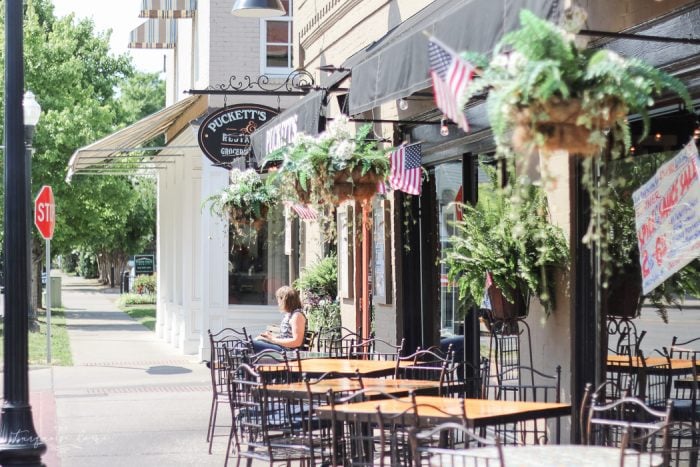
Head south and you reach Franklin and Williamson County, where historic Main Street, restaurants, shopping, recreation and residential communities create a lifestyle that feels distinct from Nashville while still keeping the city within reach.
That choice between Nashville and Williamson County is one we frequently see relocating buyers consider.
Do you want to be closer to the center of the city?
Do you want more space?
Is walkability important?
How frequently will you commute?
Do you prefer an established in-town neighborhood, a newer community or something with acreage?
There is no universal answer.
And that may be the most important thing to know before moving here.
So, Where Should You Live When Moving to Nashville?
Start with your lifestyle, not a ZIP code.
If you want walkability and restaurants, explore areas like 12 South, Germantown, The Gulch and parts of East Nashville.
If you want established neighborhoods with convenient access to the city, look at Green Hills, Belmont-Hillsboro, Oak Hill and Belle Meade.
If you want more space while staying connected to Nashville, Franklin and communities throughout Williamson County deserve a closer look.
And if you are not sure which one fits, that is completely normal.
Understanding Nashville neighborhood by neighborhood is where a local perspective becomes particularly valuable.
Moving to Nashville? Start With the Right Local Perspective.
At The McSquared Group, we help buyers look beyond listings to understand the neighborhoods, properties and opportunities that make sense for how they actually want to live.
From Green Hills and East Nashville to 12 South, Belmont-Hillsboro, Franklin and across Williamson County, we know that finding the right home starts with understanding the market around it.
And sometimes the right property is not publicly listed at all.
Our local relationships and off-market connections can help buyers look beyond what appears in an online search, particularly when inventory is limited in a specific neighborhood or property type.
Considering a move to Nashville or Middle Tennessee? Explore Nashville neighborhoods and find the area that feels right for you.